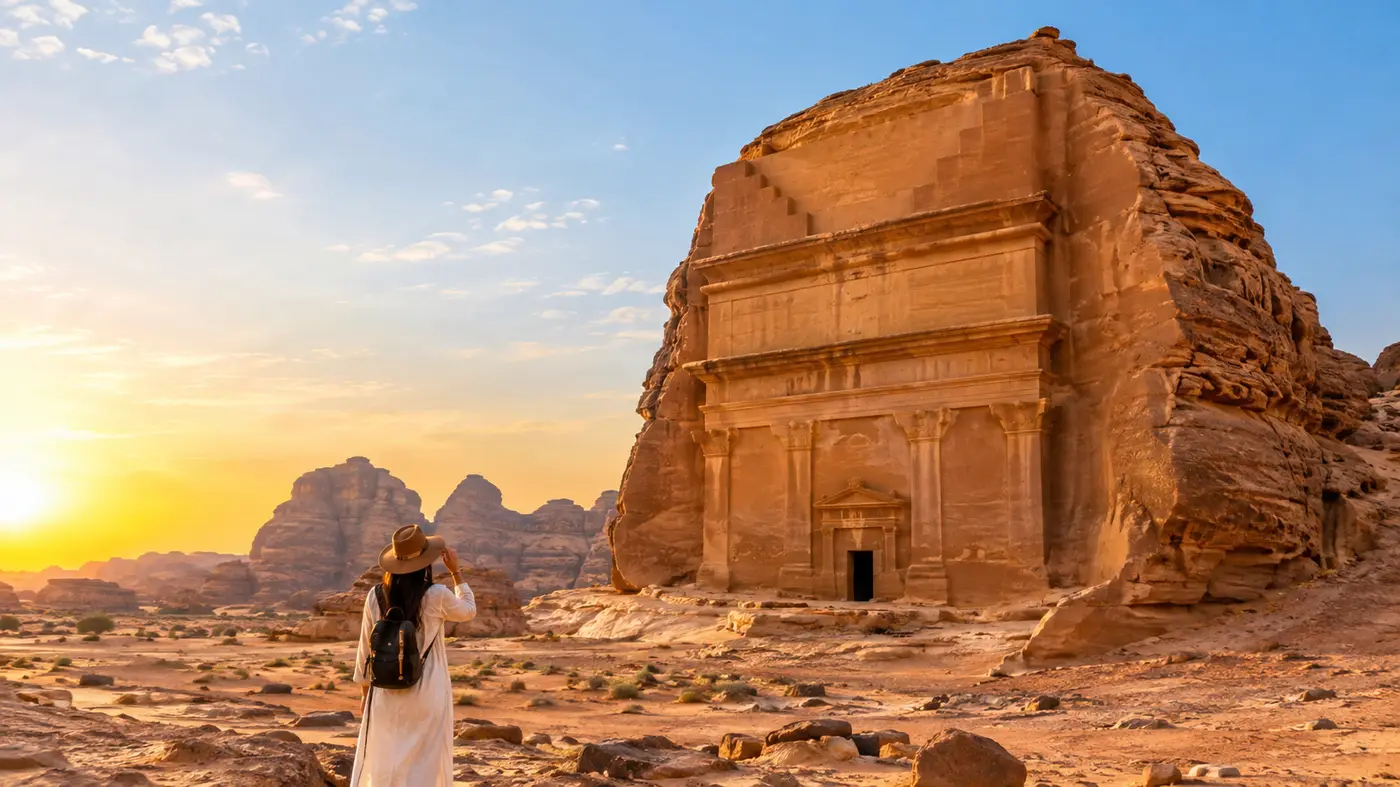
Understanding Hegra AlUla: History, Location & Significance
Stepping into Hegra AlUla feels like walking through a portal to another time, a place where the whispers of ancient civilizations still echo across vast desert landscapes. The sheer scale of its monumental rock-cut tombs, carved with incredible precision into towering sandstone outcrops, tells a profound story. For anyone interested in a truly unique travel experience, understanding the deep `hegra al ula history` is absolutely essential to appreciate the site's magic. It's more than just pretty scenery; it's a testament to human ingenuity and resilience in a harsh, beautiful land. This article will pull back the curtain on this incredible UNESCO World Heritage site. We will explore its ancient roots, pinpoint its location within the wider AlUla region of Saudi Arabia, and delve into why its legacy continues to captivate archaeologists and travelers alike. Consider this your friendly guide to getting a grip on what makes Hegra so special, and maybe even a nudge to start planning your own trip.Book your hegra al ula tour experience:
What Exactly is Hegra AlUla?
Okay, first things first, let's clear up some common confusion. Many people wonder, `apakah al ula dan hegra sama?` Not exactly, but they are very much intertwined. AlUla is the name of the entire vast region in northwest Saudi Arabia, an area roughly the size of Belgium. It's home to a breathtaking array of natural wonders, historical sites, and the charming Old Town. Hegra, on the other hand, is the primary archaeological site *within* AlUla. It's the crown jewel, if you will, the most well-known and extensively excavated ancient city in the area. So, when you hear `al ula and hegra`, think of Hegra as a specific, incredibly important part of the larger AlUla experience. Hegra was the Nabataean kingdom's second-largest city, after Petra in modern-day Jordan. Its strategic location along the ancient incense trade route made it a bustling hub for commerce and culture. Today, it's famous for its remarkably preserved tombs, but there's so much more beneath the surface. The entire area is a living museum, honestly. Here are a few distinctions that might help you visualize it:- AlUla: The broader region, encompassing deserts, mountains, oases, the Old Town, Elephant Rock, and several other archaeological sites.
- Hegra: The specific ancient Nabataean city, located about 20 kilometers north of AlUla Old Town. This is where you'll find the iconic rock-cut tombs.
- Madain Saleh: This is the historical name for Hegra, often still used in academic circles or by older generations. So, if you hear `al ula hegra madain saleh`, know they are referring to the same ancient city.
A Glimpse into Hegra AlUla History: The Nabataeans
The core of `sejarah hegra al ula` lies with the Nabataeans, an ancient Arab people who settled in this region around the 1st century BCE. These weren't just desert nomads; they were master traders, engineers, and artists. They controlled a vast network of trade routes that stretched from the Arabian Peninsula all the way to the Mediterranean, dealing in precious commodities like frankincense, myrrh, and spices. Hegra, or Madain Saleh as it was known then, served as their southern capital and a crucial waypoint on these routes. The Nabataeans were incredibly skilled in water management, a necessity for thriving in the desert. They developed sophisticated systems of wells and cisterns, allowing them to cultivate crops and sustain a large population in what seems like an impossible environment. Their wealth is clearly reflected in the elaborate tombs they carved into the sandstone cliffs. These aren't just simple holes in rocks; they are monumental, often multi-story structures, adorned with intricate facades that blend Hellenistic, Roman, and distinctly Nabataean architectural styles. Each tomb tells a silent story of the person buried within, their status, and the beliefs of their time. The Nabataean kingdom flourished for centuries, but their independence eventually waned. In 106 CE, the Roman Empire annexed their territory, integrating it into the Roman province of Arabia Petraea. Hegra continued to be inhabited for a while under Roman rule, but its importance as a trade hub gradually diminished as new maritime routes emerged. Over time, the city was abandoned to the sands, its grandeur slowly reclaimed by the desert until its rediscovery in modern times. This fascinating blend of cultures and the eventual decline is a big part of what makes the `hegra al ula history` so compelling.Note: While Hegra is the modern, preferred name for the archaeological site, its older name, Mada'in Salih, carries some local religious connotations. The renaming to Hegra is part of a broader effort to present AlUla's rich history in a globally accessible way, focusing on its pre-Islamic heritage.
Exploring the Tombs: Significance and Design
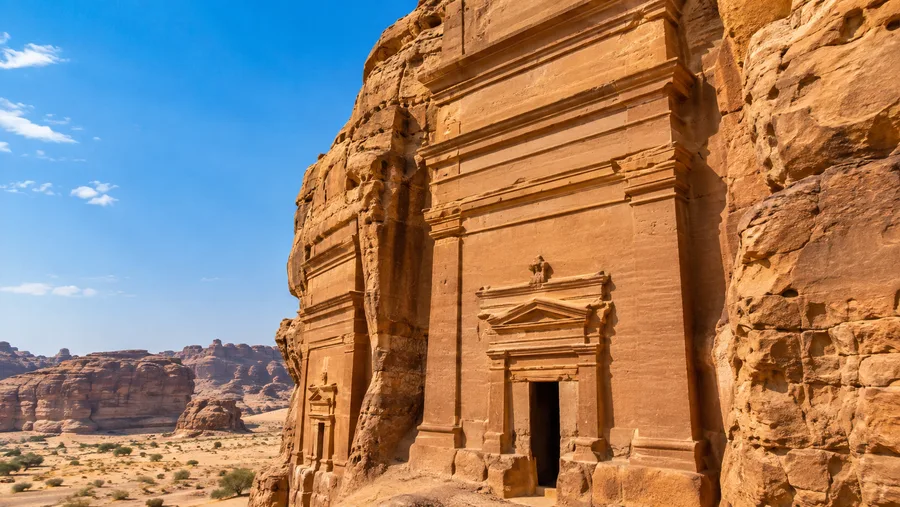
The 111 monumental tombs at Hegra are truly the star of the show. Each one is a unique work of art, carved directly into the living rock. They weren't houses for the living; they were eternal homes for the dead, designed to impress and to last. You can spend hours just looking at the details. The Nabataeans didn't build with separate blocks like the Egyptians or Romans; they sculpted the mountain itself. This means each tomb is a negative space, an absence carved out of the positive mass of the rock. It's a bit mind-bending to think about. The facades vary wildly, from relatively simple, unadorned entrances to incredibly ornate structures with columns, pediments, and elaborate decorative motifs. Look closely and you'll spot eagles, sphinxes, griffins, and even human faces. These weren't just for show; they held symbolic meaning, protecting the deceased and signifying their importance. Many tombs also feature inscriptions in the Nabataean language, often detailing who was buried there, who owned the tomb, and stern warnings against disturbing the graves. Honestly, it's like an ancient form of legal documentation, etched in stone for eternity. One of the most famous tombs is Qasr al-Farid, or the "Lonely Castle." It stands apart from the others, unfinished, yet its sheer scale and isolation make it incredibly striking. It's a powerful symbol of Hegra, a testament to ambition and, maybe, a sudden halt in construction. Seeing it up close, you really get a sense of the sheer effort and skill involved. The fact that it's unfinished only adds to its mystique, I think.Book your hegra al ula tour experience:
Beyond the Tombs: Other Discoveries at Hegra AlUla
While the tombs are undeniably spectacular, the `kota hegra al ula` was a functioning city with much more than just a necropolis. Archaeological excavations continue to uncover evidence of daily life, revealing a complex urban center. You can see the remains of residential areas, although these are less visually dramatic than the tombs, typically built from mud brick and less preserved. There are also numerous wells and water channels, a clear indication of the Nabataeans' mastery of hydraulics. Without these, a city in this arid environment would have been impossible. Another fascinating aspect is the presence of hundreds of inscriptions not associated with tombs. These are found on various rock faces throughout the site, offering glimpses into the lives, beliefs, and even mundane transactions of the Nabataean people. Some are religious dedications, others are records of events, and some are just graffiti. They are a treasure trove for linguists and historians, providing invaluable insights into the Nabataean language and culture. The area also shows signs of later Roman presence, with a fort and other structures indicating their occupation after the Nabataean era. It really highlights the long, layered `hegra al ula history`.Pro tip: Don't just focus on the big, famous tombs. Ask your guide to point out some of the smaller, less dramatic rock carvings and inscriptions. They often provide a more intimate look into daily Nabataean life and beliefs, away from the grand statements of the monumental tombs.
Planning Your Visit to Hegra AlUla Saudi Arabia
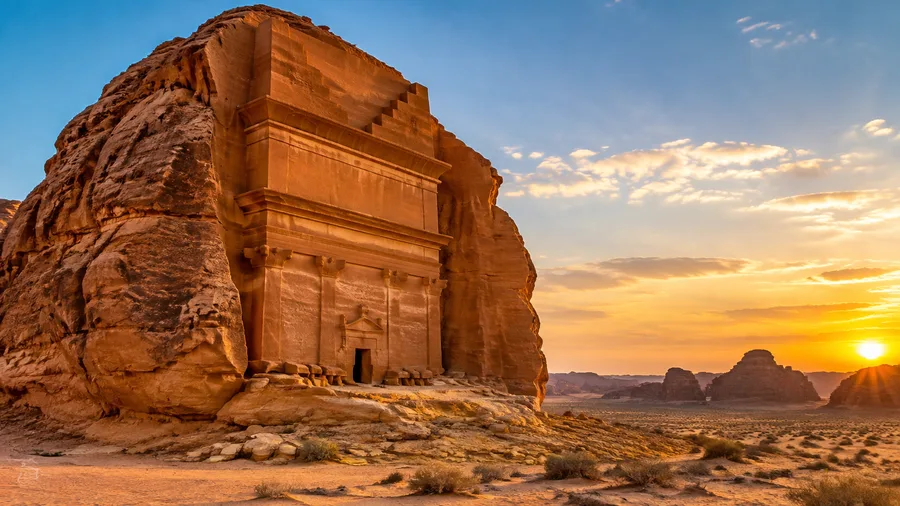
Visiting `hegra al ula saudi arabia` is an experience that requires a bit of planning, but it's totally worth it. The site is managed by the Royal Commission for AlUla, and access is typically through guided tours. This helps preserve the delicate archaeological remains and ensures visitors get the most out of their experience with knowledgeable guides. You can find detailed information on how to book your visit and the various tour options available by checking out the official AlUla visitor site, which also has great resources on hegra al ula history. I honestly recommend booking well in advance, especially during peak season (winter months). The tours usually last about 2-3 hours and take you to the most significant tomb clusters. You'll travel between sites by bus, with stops for walking and photography. It’s a good idea to wear comfortable shoes and bring sun protection, as it can get quite warm even in cooler months. For more specifics on getting there and booking, you might find our article on Getting to Hegra AlUla & Booking Your Visit really helpful. And if you're wondering where to stay, there are some incredible options popping up, from luxury resorts to more boutique experiences. Check out Best Hotels & Resorts in Hegra AlUla for some ideas. Here's a quick look at typical tour options:| Tour Type | Duration (approx.) | Highlights | Booking |
|---|---|---|---|
| Hegra Explorer Tour | 2 hours 30 minutes | Main tomb clusters, Qasr al-Farid, Nabataean well. | Required in advance. |
| Premium Private Tour | 3 hours | Personalized itinerary, exclusive access to some areas. | Required in advance. |
| Sunset Hegra Tour | 2 hours | Tombs at golden hour, unique light for photography. | Limited availability. |
Practical Tips for Your Trip:
- Best time to visit: Early morning tours are fantastic for beating the heat and experiencing the soft, ethereal light.
- Dress code: Modest dress is respectful, but comfortable, breathable clothing is key for walking.
- Photography: Cameras are welcome, and you'll want them. The light at sunrise or sunset is just incredible.
- Guides: The local guides are incredibly knowledgeable and passionate. Ask them questions; they love to share stories.
- Hydration: Always carry water, even on shorter tours. The desert air is very dry.
Frequently Asked Questions about hegra al ula history
Is AlUla and Hegra the same place?
No, AlUla is the larger region, while Hegra is the specific archaeological site within AlUla, famous for its ancient Nabataean tombs.
What is the historical significance of Hegra?
Hegra was the Nabataean kingdom's southern capital and a crucial trade hub along the ancient incense route, known for its elaborate rock-cut tombs and advanced water management systems.
Who built the tombs at Hegra?
The monumental tombs at Hegra were carved by the Nabataeans, an ancient Arab people who flourished in the region from the 1st century BCE until the Roman annexation in 106 CE.
Quick Reference
- Hegra is the ancient city, AlUla is the region.
- Nabataean capital after Petra.
- 111 rock-cut tombs.
- UNESCO World Heritage Site.
- Annexed by Romans in 106 CE.
Book your hegra al ula tour experience:
Worth the Trip?
Absolutely. Visiting Hegra AlUla is more than just ticking off a landmark; it's an immersion into an ancient world, a connection with the incredible ingenuity of the Nabataean people, and a profound appreciation for the stunning natural beauty of the Saudi Arabian desert. The layers of `hegra al ula history` are so palpable, almost tangible, as you walk among those colossal, silent sentinels. If you have the chance, honestly, go. You won't regret it.Read more about hegra al ula tour.